
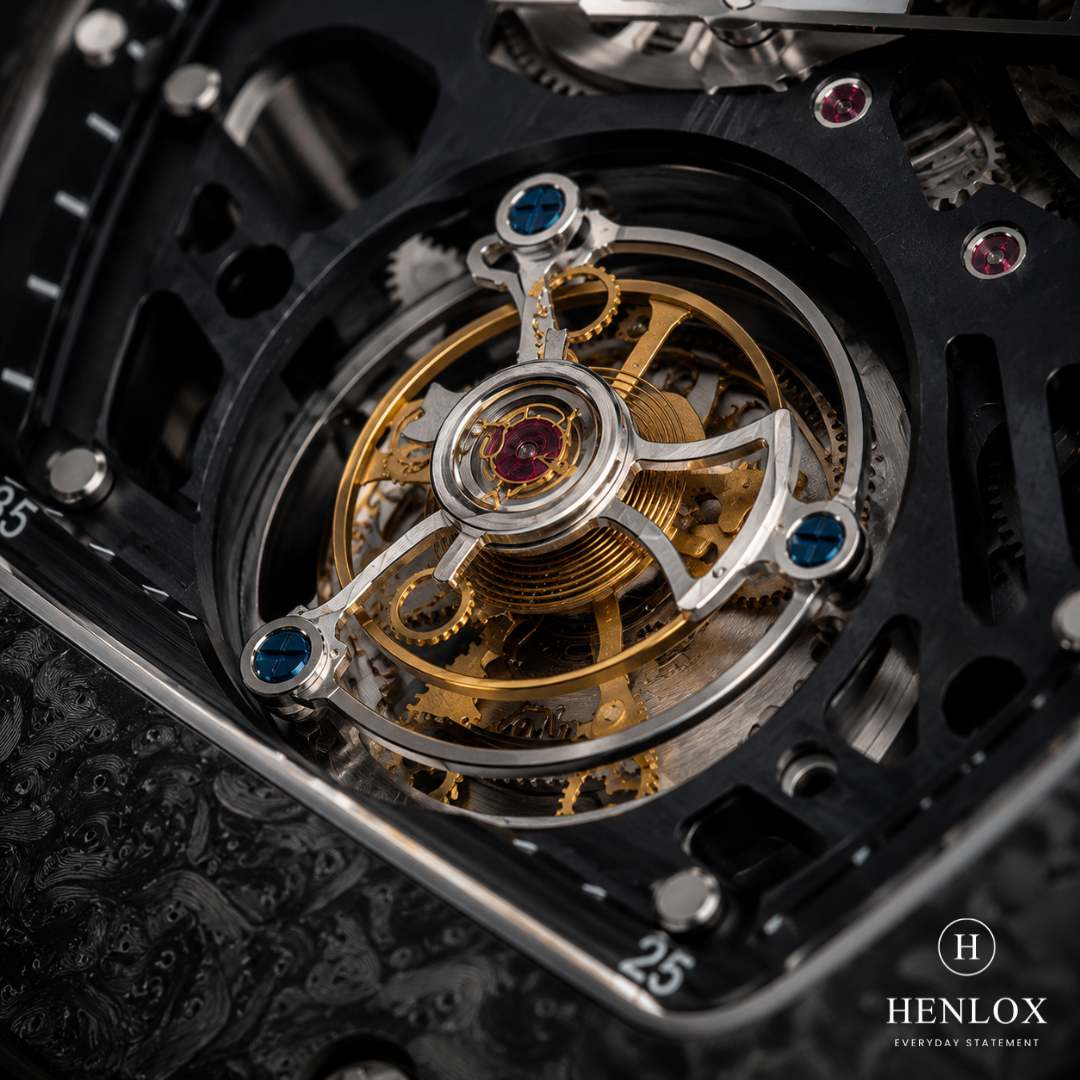
What is a Tourbillon? A Complete Guide for Watch Enthusiasts
What is a Tourbillon?
A tourbillon (French for "whirlwind") is one of watchmaking's most celebrated and technically demanding complications. Invented by Abraham-Louis Breguet in 1801, it was originally designed to counteract the effects of gravity on a pocket watch's movement — and it remains one of the most visually captivating features in high-end horology today.
How Does a Tourbillon Work?
In a conventional mechanical watch, the escapement and balance wheel can be affected by gravity depending on the watch's orientation. Over time, this causes the watch to run slightly fast or slow. The tourbillon solves this by mounting the escapement and balance wheel inside a rotating cage. As the cage continuously rotates — typically completing one full revolution per minute — it averages out the positional errors caused by gravity, resulting in greater accuracy.
Why is a Tourbillon So Coveted?
Beyond its functional origins, the tourbillon has become the ultimate symbol of horological mastery. Crafting one requires:
- Exceptional precision: A tourbillon cage can contain over 70 individual components, many weighing less than a fraction of a milligram.
- Rare expertise: Only the most skilled watchmakers can assemble a tourbillon by hand.
- Hundreds of hours: The construction and finishing of a single tourbillon can take weeks.
This level of craftsmanship is why tourbillon watches command significant investment — and why they are treasured by serious collectors worldwide.
Single vs. Dual Tourbillon
While a single tourbillon rotates on one axis to combat gravity, a dual tourbillon takes this further by adding a second rotating cage, compensating for gravity on multiple axes simultaneously. This represents the absolute pinnacle of mechanical watchmaking — and a statement of extraordinary technical ambition.
What to Look for When Buying a Tourbillon Watch
If you're considering your first tourbillon, here are the key factors to evaluate:
- Cage material: Titanium and carbon-based cages reduce weight, improving performance and longevity.
- Finishing quality: Look for hand-bevelled bridges, polished steel, and côtes de Genève striping on the movement.
- Dial design: Many tourbillons feature an open dial or sapphire caseback to showcase the movement — a mark of confidence in the craft.
- Brand heritage: Independent watchmakers and storied maisons bring different philosophies; explore what resonates with you.
The Modern Tourbillon
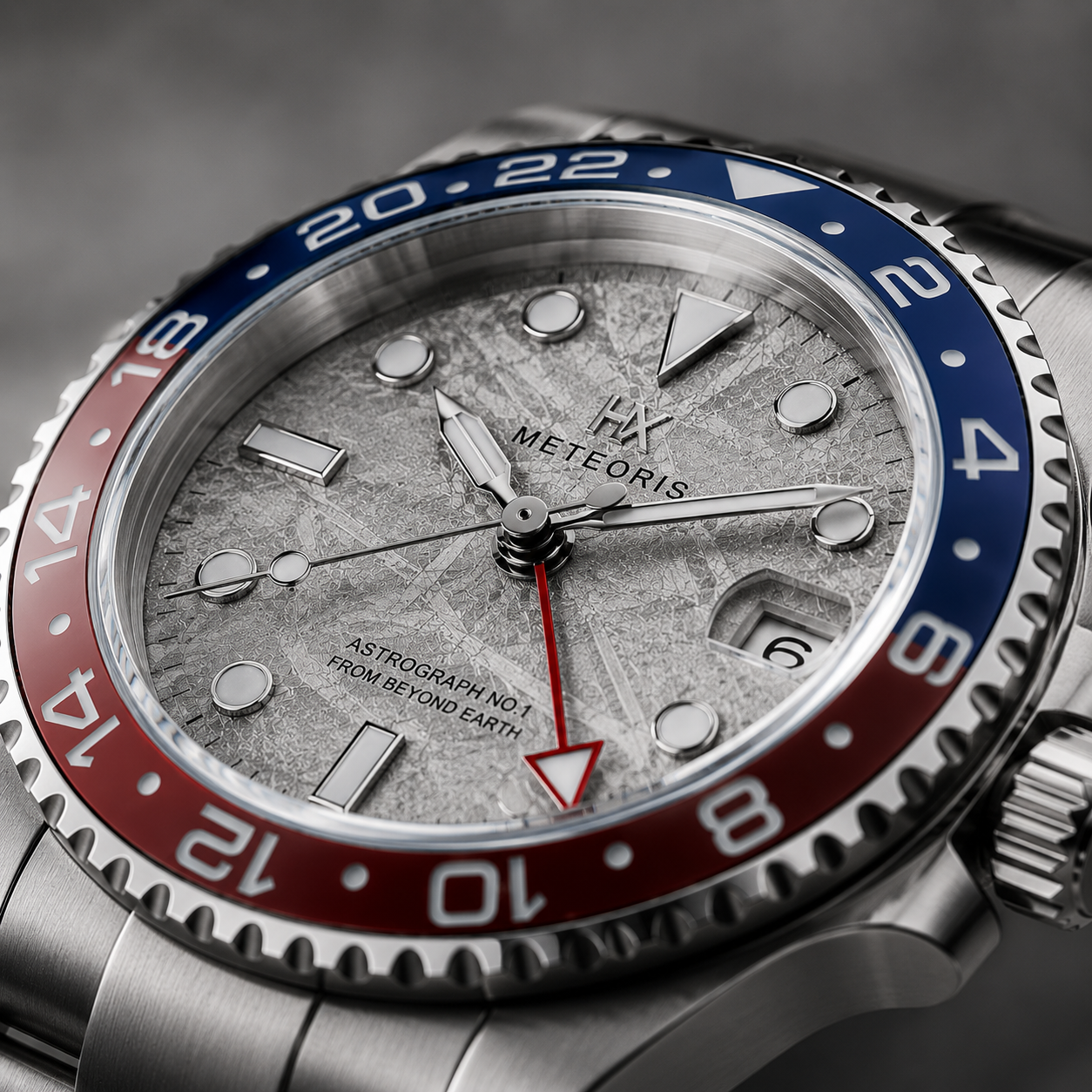
Today's tourbillons are as much an art form as a technical achievement. From carbon fibre cages to meteorite dials, contemporary watchmakers are pushing the boundaries of materials and design. Whether set in forged carbon, titanium, or precious metals, a tourbillon watch is not simply a timepiece — it is a testament to human ingenuity and the pursuit of perfection.
Explore our collection of tourbillon watches to experience this extraordinary complication for yourself.

%20is%20one%20of%20watchmaking's%20most%20celebrated%20and%20technically%20demanding%20complications.%20Invented%20by%20Abraham-Louis%20Breguet%20in%201801,%20it%20was%20origina...)